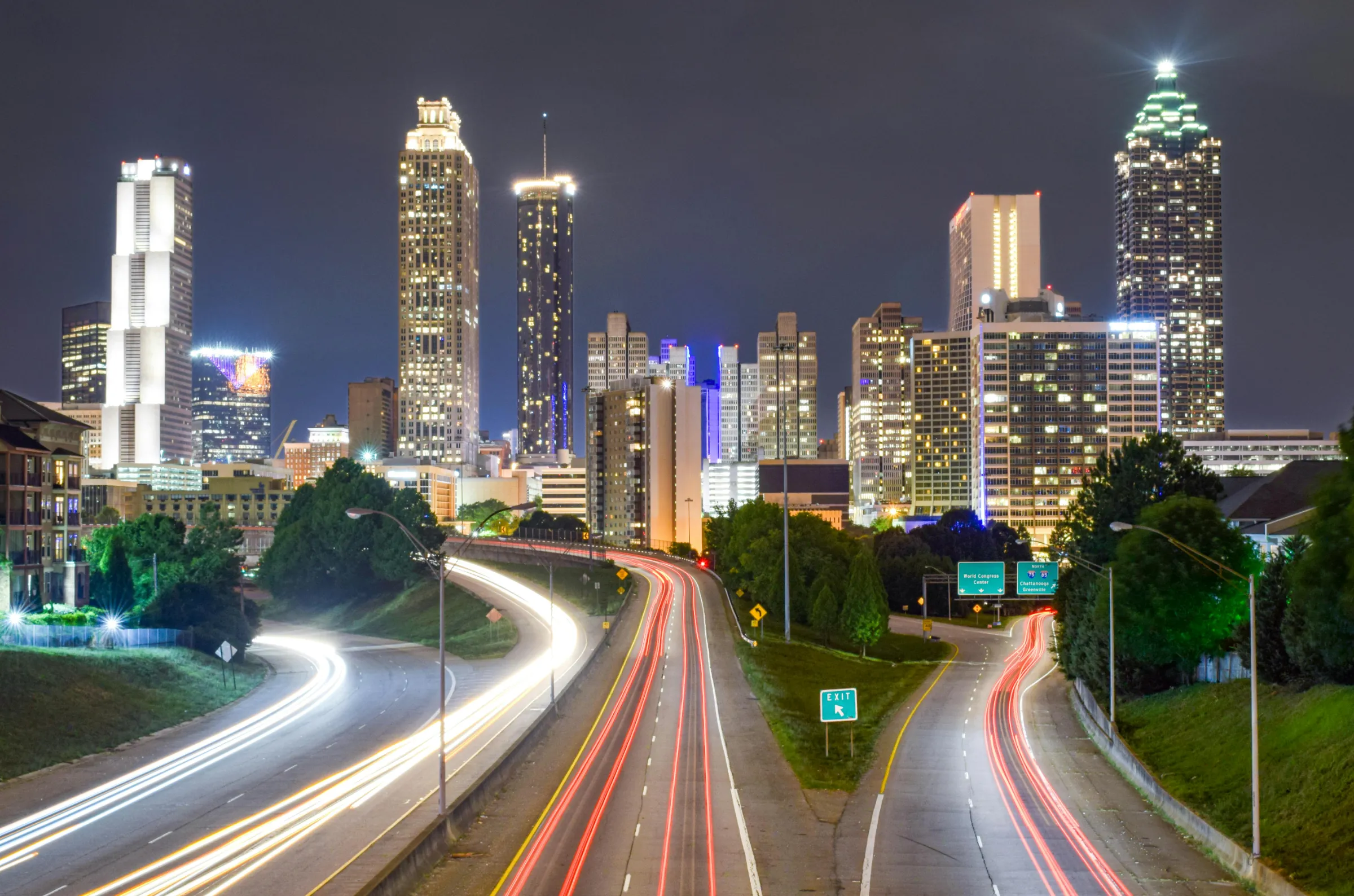
Honolulu is easy to overfill. The city gives families beaches, crater hikes, royal history, Pearl Harbor, museums, food halls, and island drives, but the best trip is not the one that touches every famous place. It is the one that respects ocean conditions, parking reality, heat, and how much energy kids actually have after a beach morning.
Use Honolulu as the base. Keep Waikiki and town days simple, reserve the places that require it, and save windward or North Shore drives for days when your family can start early.
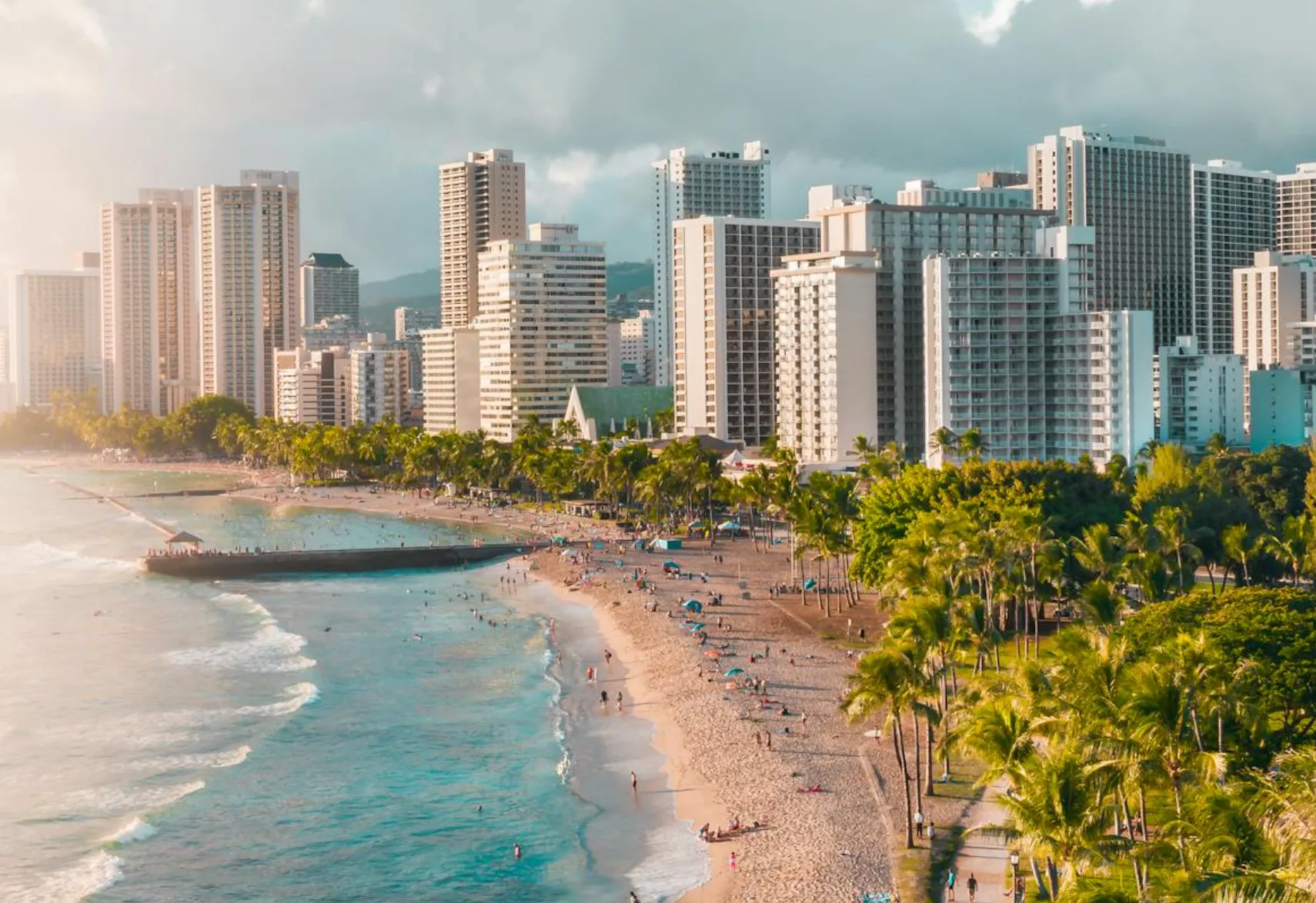
1. Start on Waikiki Beach
Waikiki is the practical first beach for most families. The water is often gentler than surf-heavy beaches elsewhere on Oahu, food and bathrooms are nearby, and the beachfront walk gives everyone a way to move without loading back into the car.
It also gives you an easy cultural opening. The Duke Kahanamoku statue along Kalakaua Avenue is a natural place to talk about surfing, Hawaiian athletic history, and why Waikiki became one of the world’s best-known beach neighborhoods.
Parent note: Waikiki is not the quietest beach on the island, but it is one of the easiest. For the first day after a flight, easy usually beats remote.
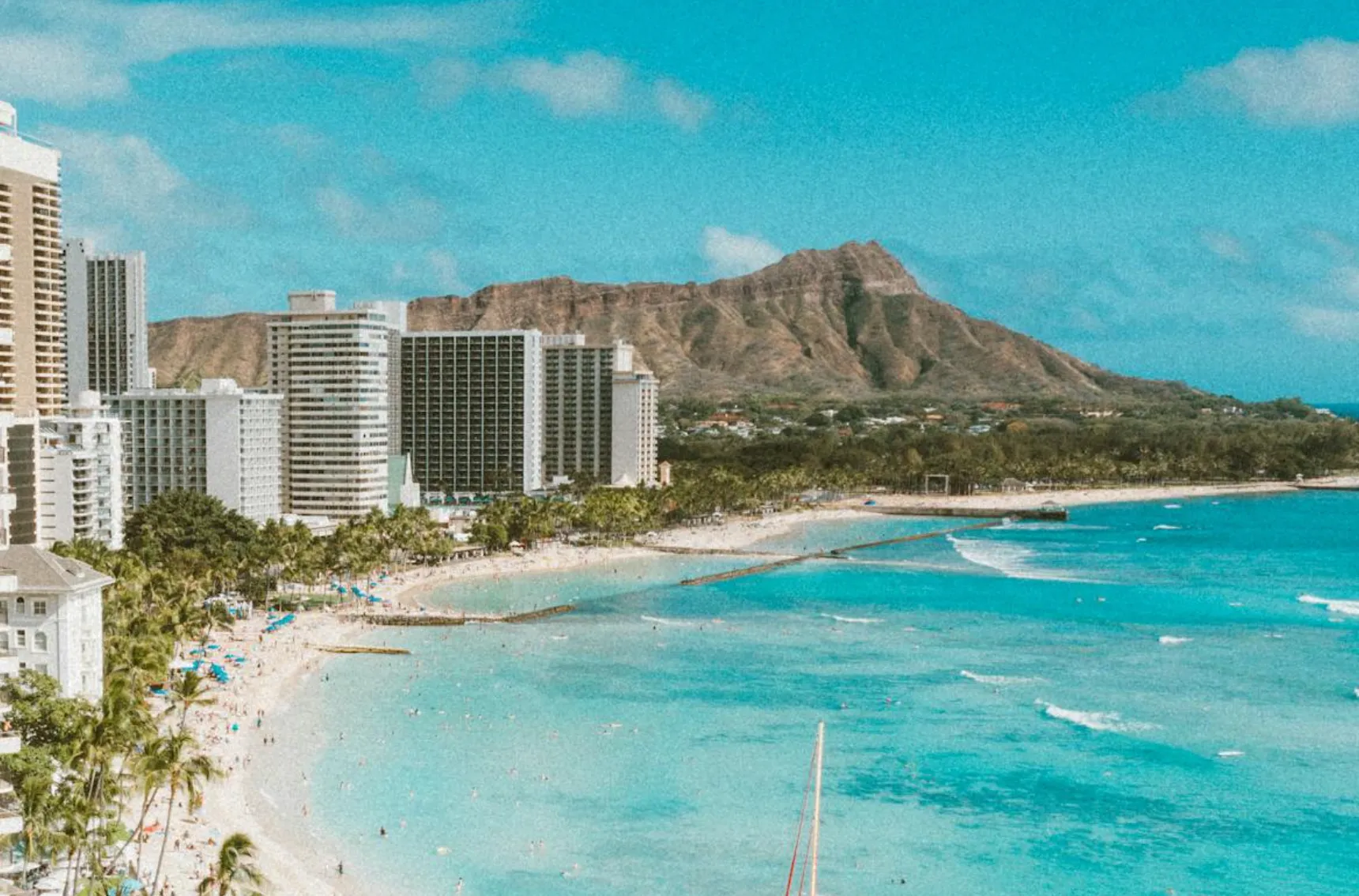
2. Hike Diamond Head Before the Day Gets Hot
Diamond Head, also called Leahi, is the classic Honolulu hike because the payoff is immediate: Waikiki, ocean, city, and crater views all in one short climb. It is not a casual sandal walk, though. Expect stairs, sun, crowds, and limited shade.
For families, this is a morning plan. Reserve ahead if required, bring water, use closed-toe shoes, and decide honestly whether younger kids are ready for the climb. If they are, the view is one of the best “we made it” moments in Honolulu.
Source note: Go State Parks Hawaii handles Diamond Head reservations for out-of-state visitors, including entry and parking options.
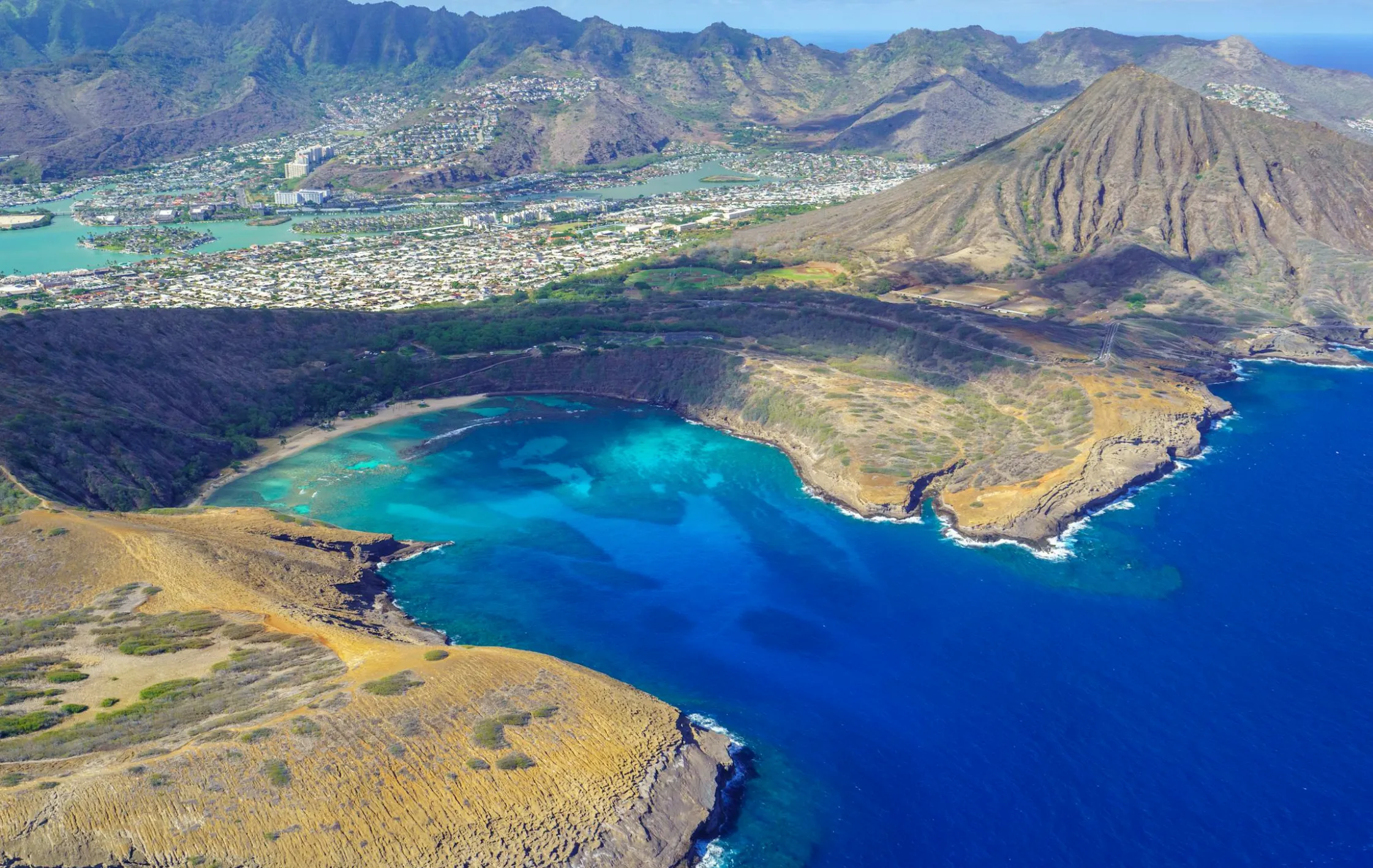
3. Snorkel Hanauma Bay Like a Guest, Not a Consumer
Hanauma Bay is one of Oahu’s most famous snorkeling spots for a reason: clear water, reef life, lifeguards, and a protected bay setting. It is also one of the places where planning and behavior matter most.
Reservations, closure days, reef rules, and the orientation video are not small details. They are part of how the bay is protected. Go only if your family can follow the rules: no standing on coral, no chasing wildlife, and no treating the reef like a swimming pool.
Source note: Honolulu’s Hanauma Bay page is the right place to verify closure days, reservations, entry rules, and current visitor requirements before building a day around it.
4. Choose Kailua and Lanikai Carefully
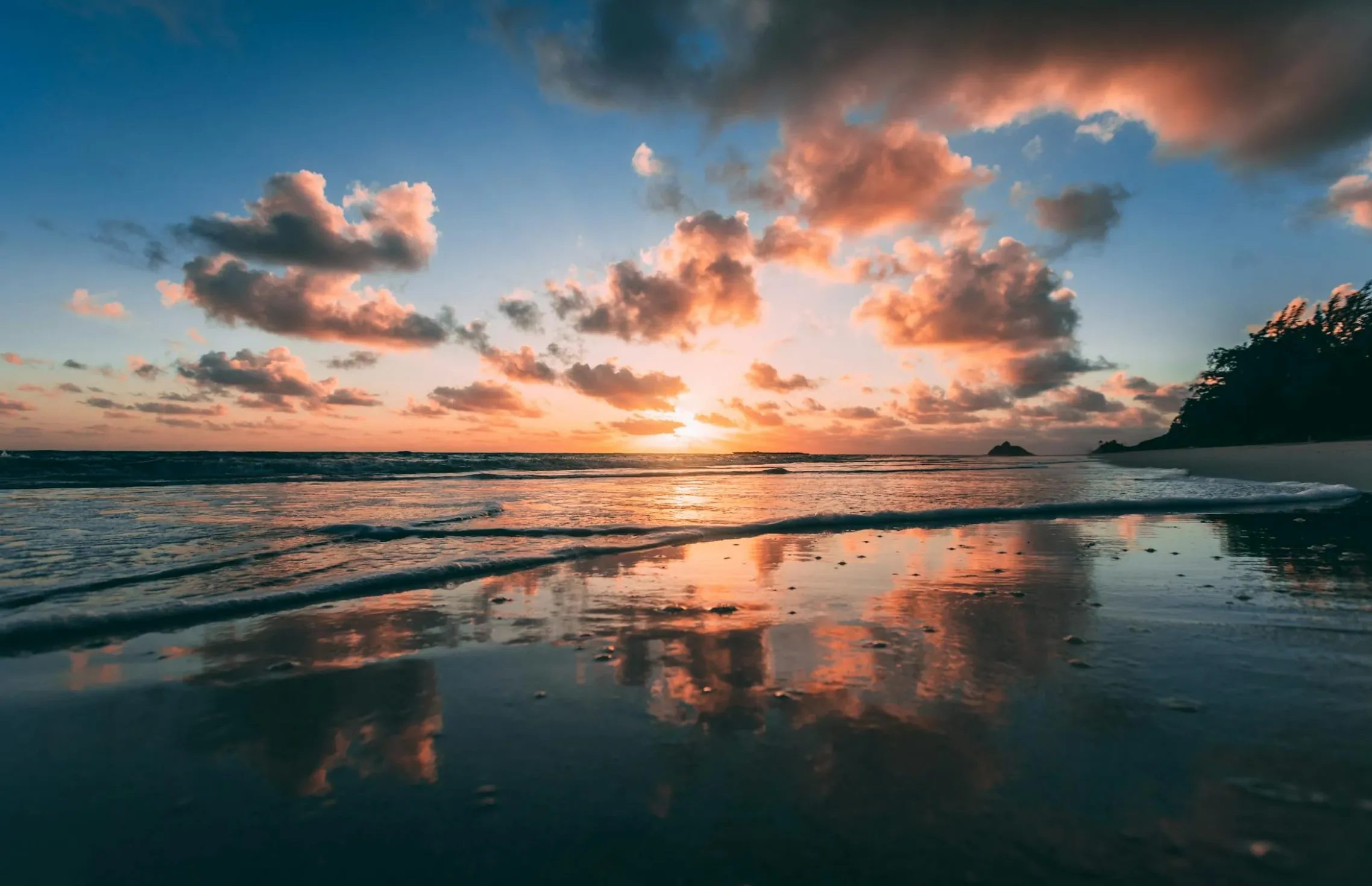
Kailua and Lanikai are beautiful, but they are not frictionless. The water can be spectacular, the sand can feel softer than Waikiki, and the Mokulua islets make the view feel almost unreal. Parking and neighborhood pressure are the tradeoff.
Families should plan to use Kailua Beach Park as the practical base and treat Lanikai as a walk-in or drop-off add-on only when conditions make sense. Do not block driveways, ignore signs, or treat a residential street like a resort lot.
Planning note: Windward beach days are best when you start early and keep the day loose. If parking is stressful, that is your sign to simplify.
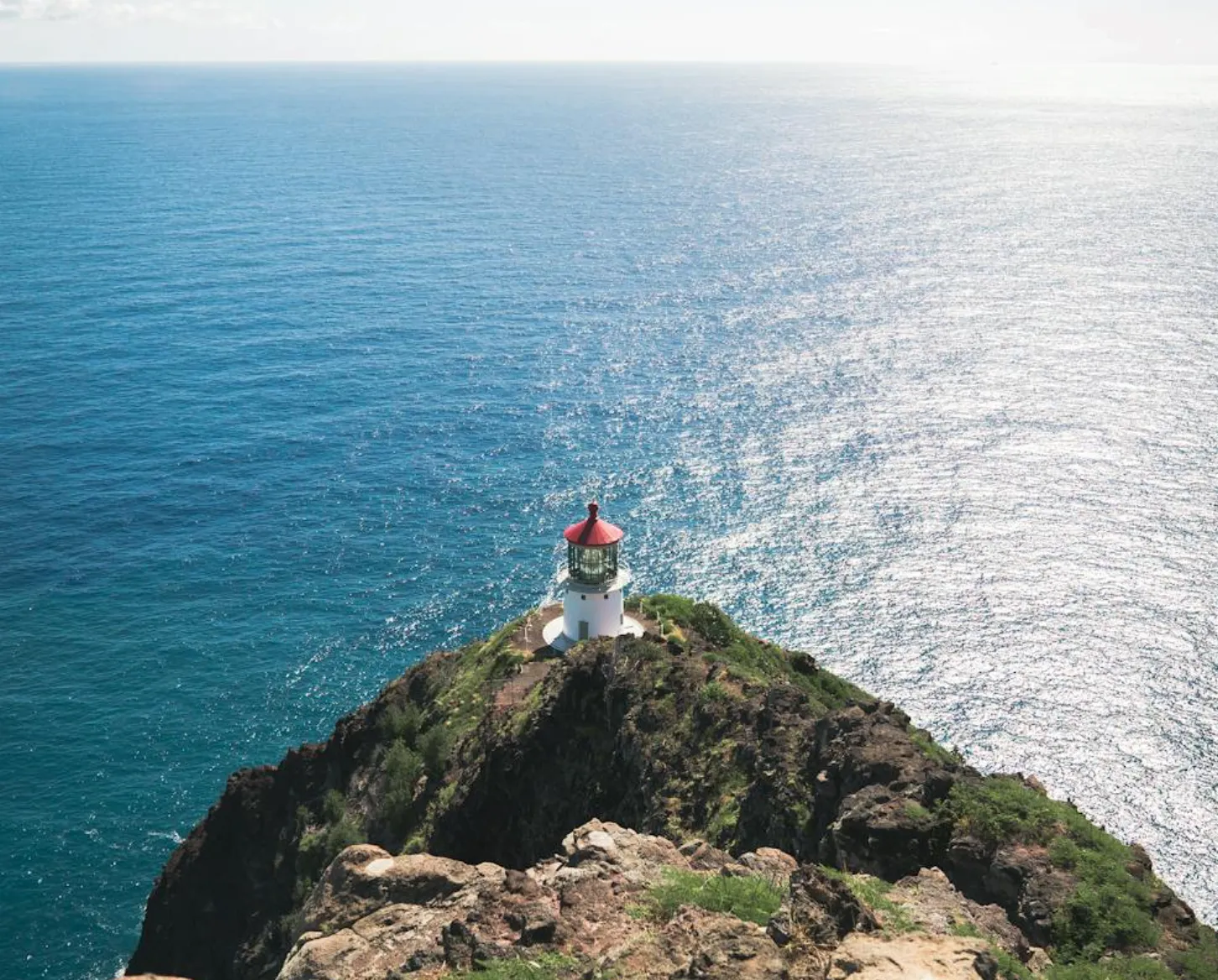
5. Walk Makapuu Lighthouse Trail and Stop at Halona Blowhole
Makapuu Lighthouse Trail is one of the better family walks on Oahu because it is paved and the views are generous. It is still exposed, sunny, and windy, so bring hats and water. In winter, families may spot whale activity offshore.
Nearby Halona Blowhole is a quick viewpoint, not a climbing stop. Watch from the lookout and keep kids away from wet rocks and ledges. This is a good southeast-coast pairing after Hanauma Bay or on a scenic drive day.
Parent note: This stretch works well for families that want big coastal views without committing to a muddy trail.
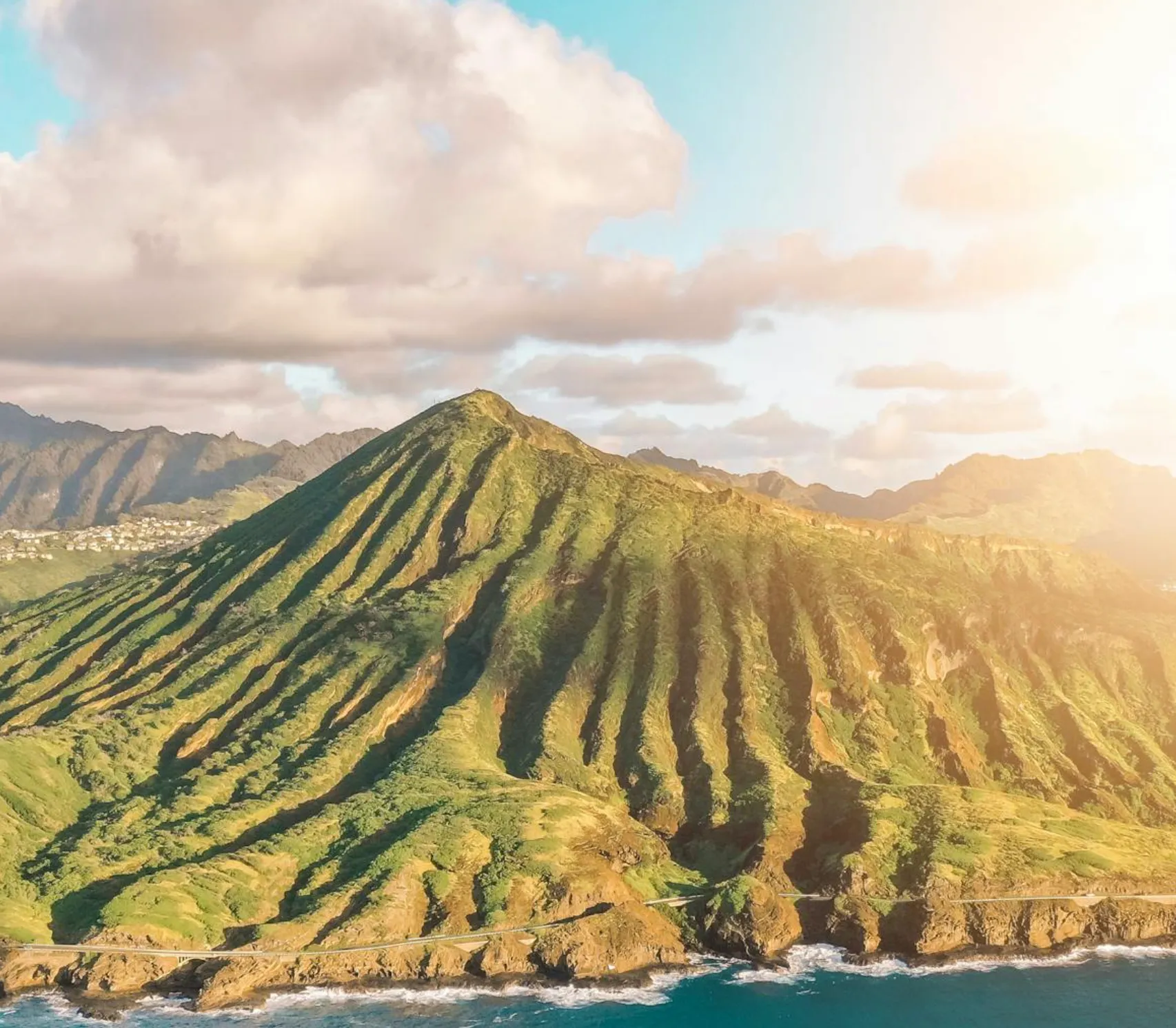
6. Save Koko Crater for Older Kids and Strong Climbers
Koko Crater Railway Trail, often called Koko Head Stairs, is memorable but not gentle. The climb follows old railway ties up the crater, and the exposure, heat, and steepness can surprise people who only saw a quick social video.
This is a good choice for fit families with older kids who like a challenge. Go early, carry more water than you think, and skip it if anyone is already tired, overheated, or unsure on steep footing.
Editorial note: Not every famous hike belongs in every family itinerary. Koko Crater is a “know your crew” stop.
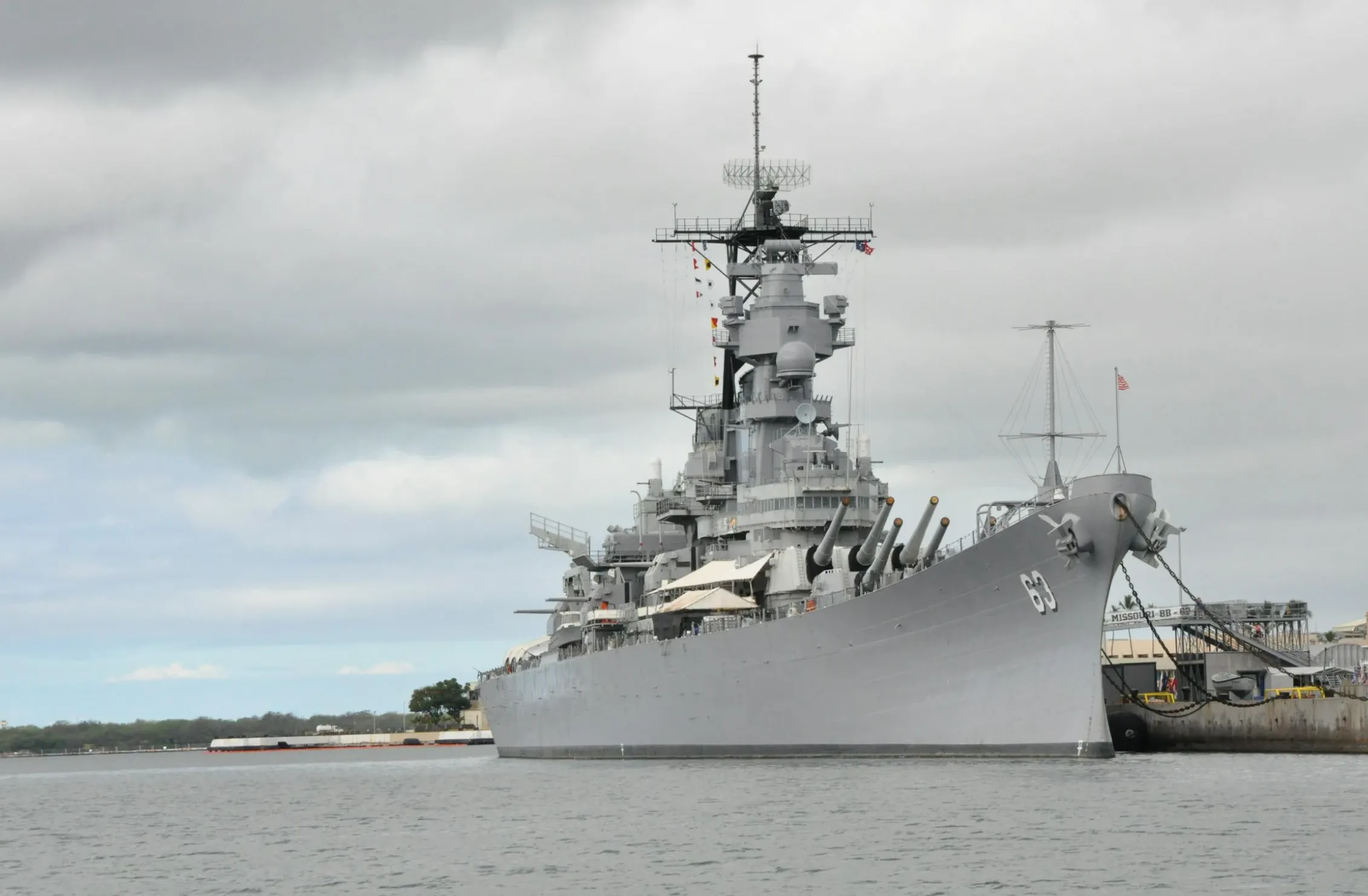
7. Visit Pearl Harbor With Enough Time to Be Quiet
Pearl Harbor National Memorial is one of the most meaningful stops near Honolulu, but it needs a different pace from beach and food days. The USS Arizona Memorial program, exhibits, and harbor setting can be powerful for kids who are old enough to understand loss, memory, and war.
Do not squeeze it between two rushed attractions. Reserve what needs to be reserved, read the bag and parking rules before leaving the hotel, and give kids time to ask questions afterward.
Source note: The National Park Service Pearl Harbor visitor page has the current details for planning a visit, including access, alerts, and memorial program information.
8. Add Iolani Palace for Hawaiian History
Iolani Palace gives families a story they may not expect: Hawaii had a monarchy, a royal residence, political conflict, and a modern history that cannot be reduced to beaches and vacation imagery.
For school-age kids and teens, this can be one of the most valuable stops in Honolulu. Pair it with a downtown walk, Aloha Tower views if access fits your day, or a nearby food stop rather than making it a long museum marathon.
Source note: Iolani Palace is the official source for tour types, schedules, and visitor rules.
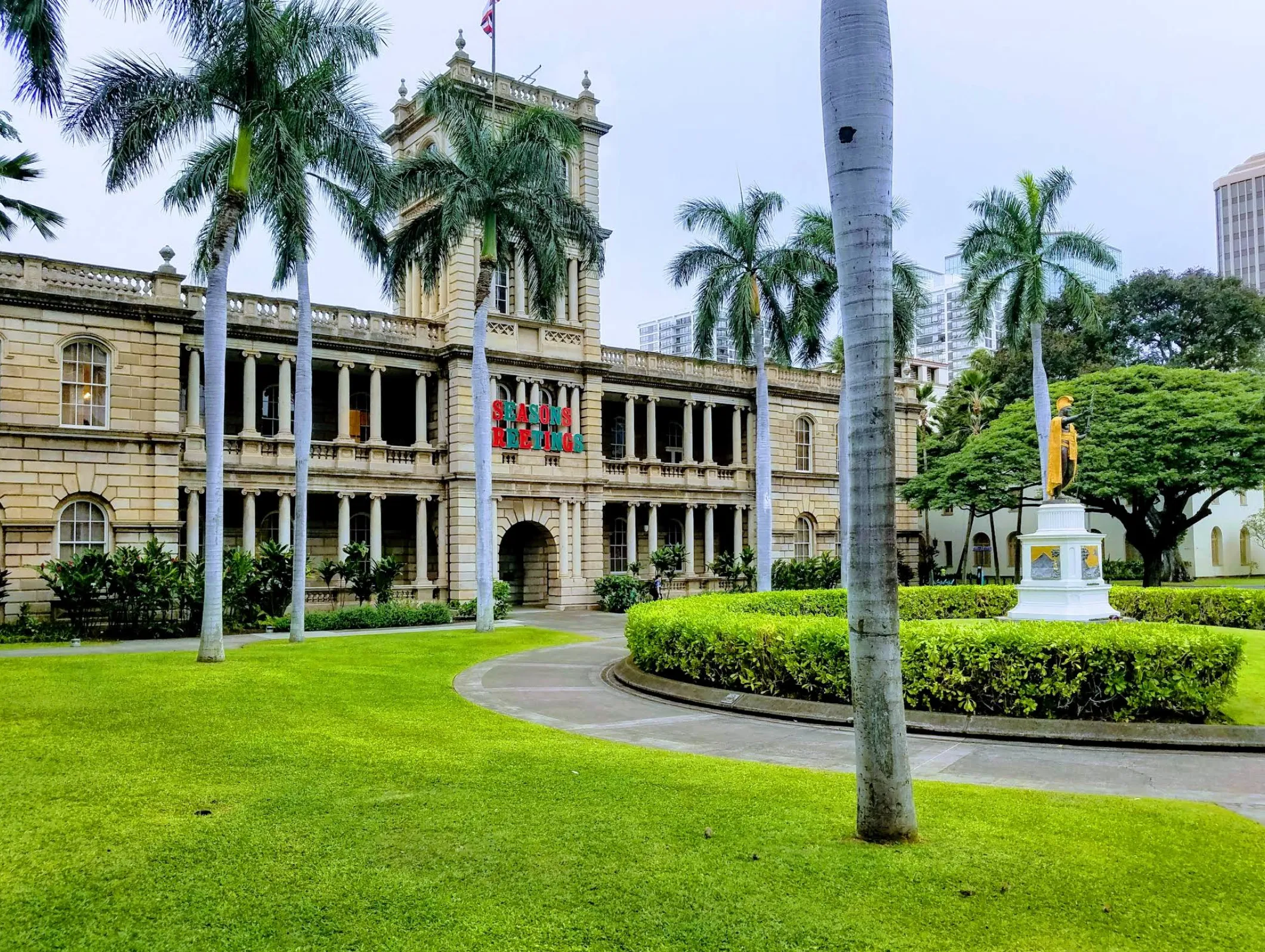
9. Use Bishop Museum or HoMA for Rainy-Day Culture
Bishop Museum is the stronger fit when your family wants Hawaiian and Pacific history, natural history, and exhibits with more educational weight. It is especially useful when kids are ready for context after seeing beaches, volcanoes, and historic sites.
Honolulu Museum of Art is calmer and smaller-feeling, with courtyards and galleries that can work when the family needs a quieter indoor reset. Neither museum has to be an all-day plan.
Parent note: Museums in Honolulu are not just rain backups. They help the rest of the island make more sense.
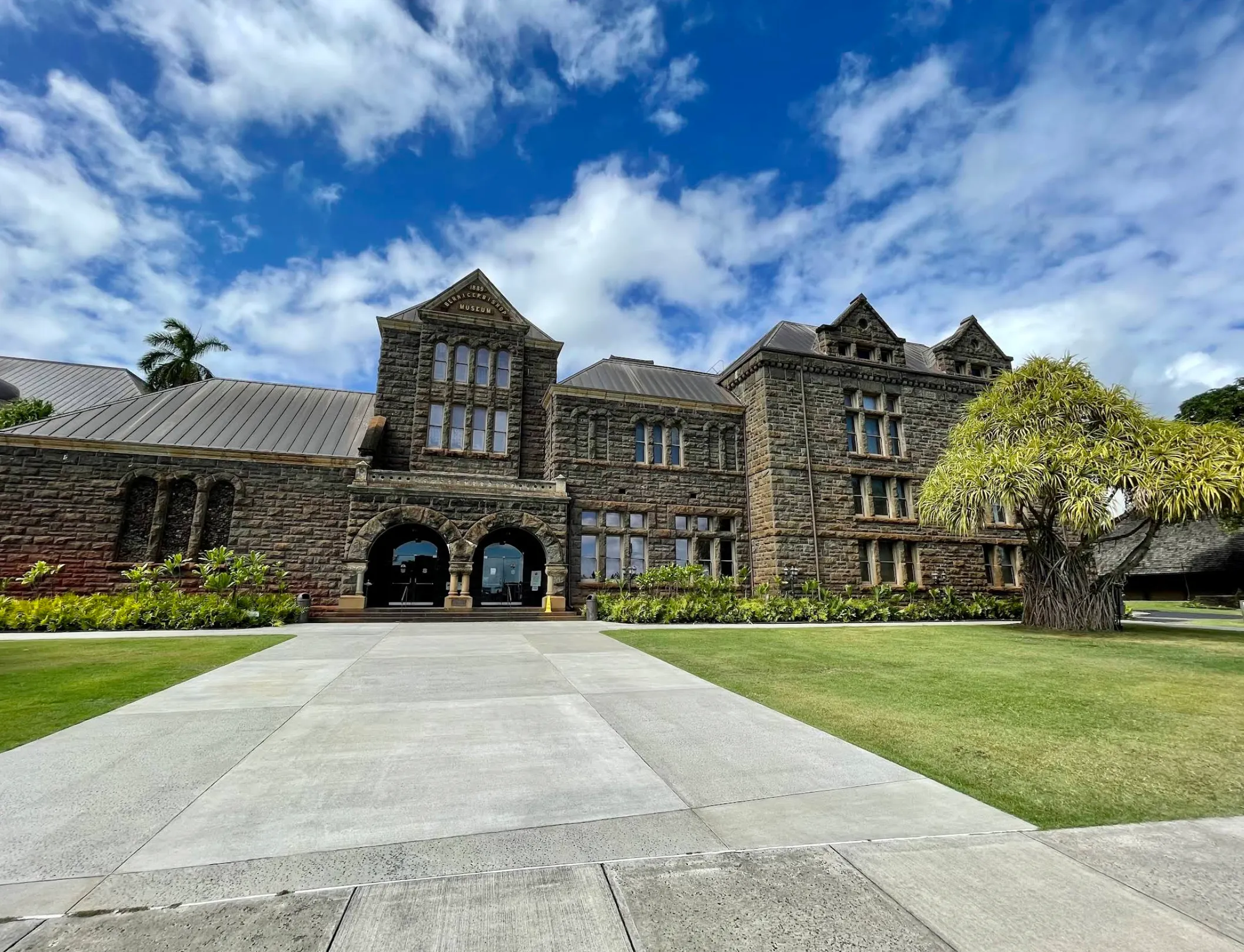
10. Pick One Waterfall Plan, Not Three
Manoa Falls is the easiest rainforest waterfall walk from Honolulu, but it can be muddy, slippery, and crowded. It is a walk to view the waterfall, not a swimming day.
Waimea Valley, on the North Shore, is more structured: botanical grounds, cultural context, and a waterfall area where swimming may be allowed when conditions permit. Sacred Falls is different: it is closed and should not be attempted.
Safety note: If a waterfall or trail is closed, treat that as the end of the decision. Social-media shortcuts are not worth fines, injuries, or disrespecting local rules.
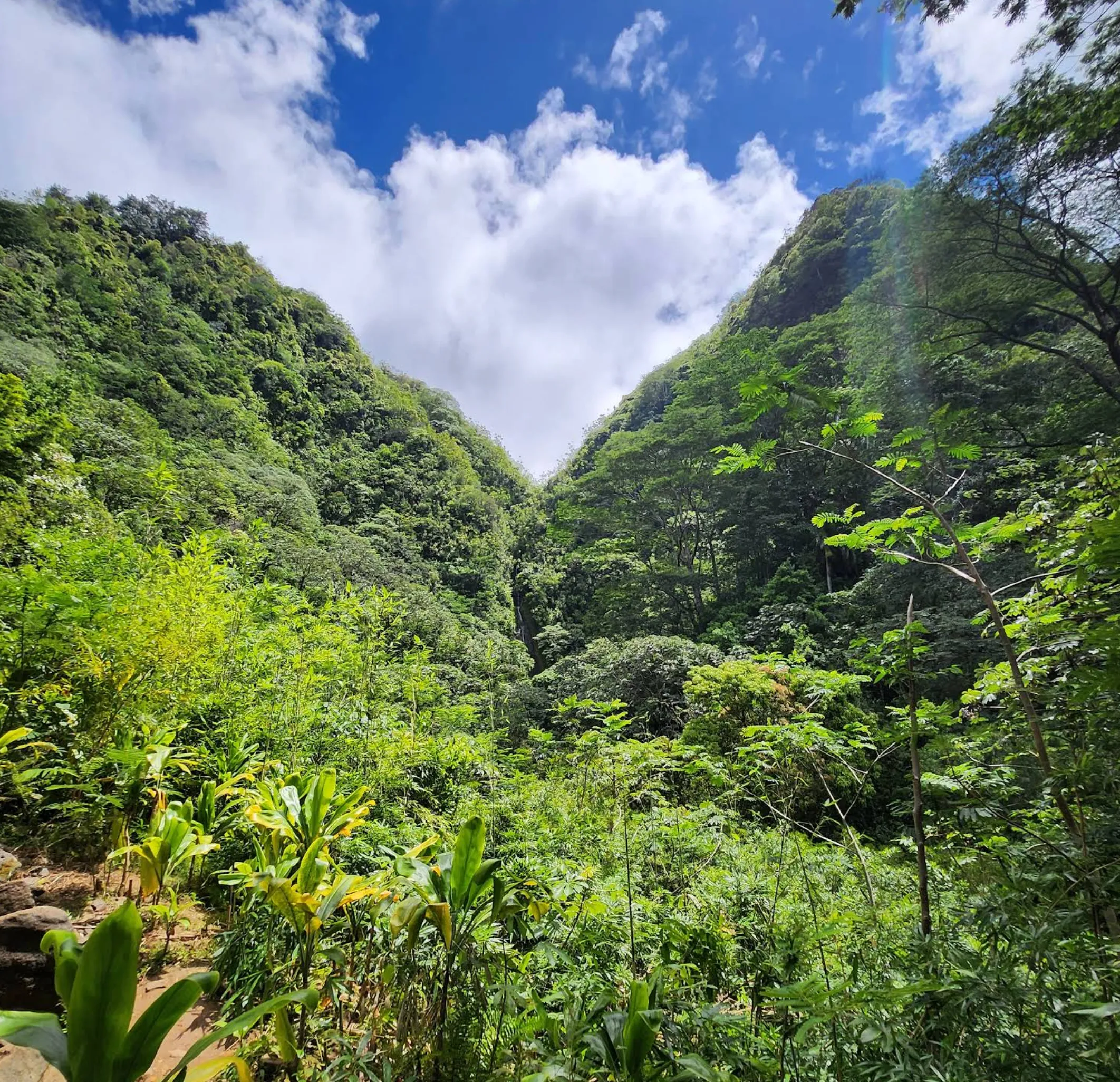
11. Drive to Nuuanu Pali Lookout for a Fast View
Nuuanu Pali Lookout is one of the easiest ways to show kids how quickly Oahu changes from city to windward cliffs. The view over Kaneohe and the coast is dramatic, and the wind can be part of the memory.
This is a short stop, not a half-day attraction. Add it on the way to Kailua, Byodo-In Temple, or a windward drive. Hold hats, keep younger kids close, and do not overschedule the day around it.
12. Use Ko Olina for Calm Water With Little Kids
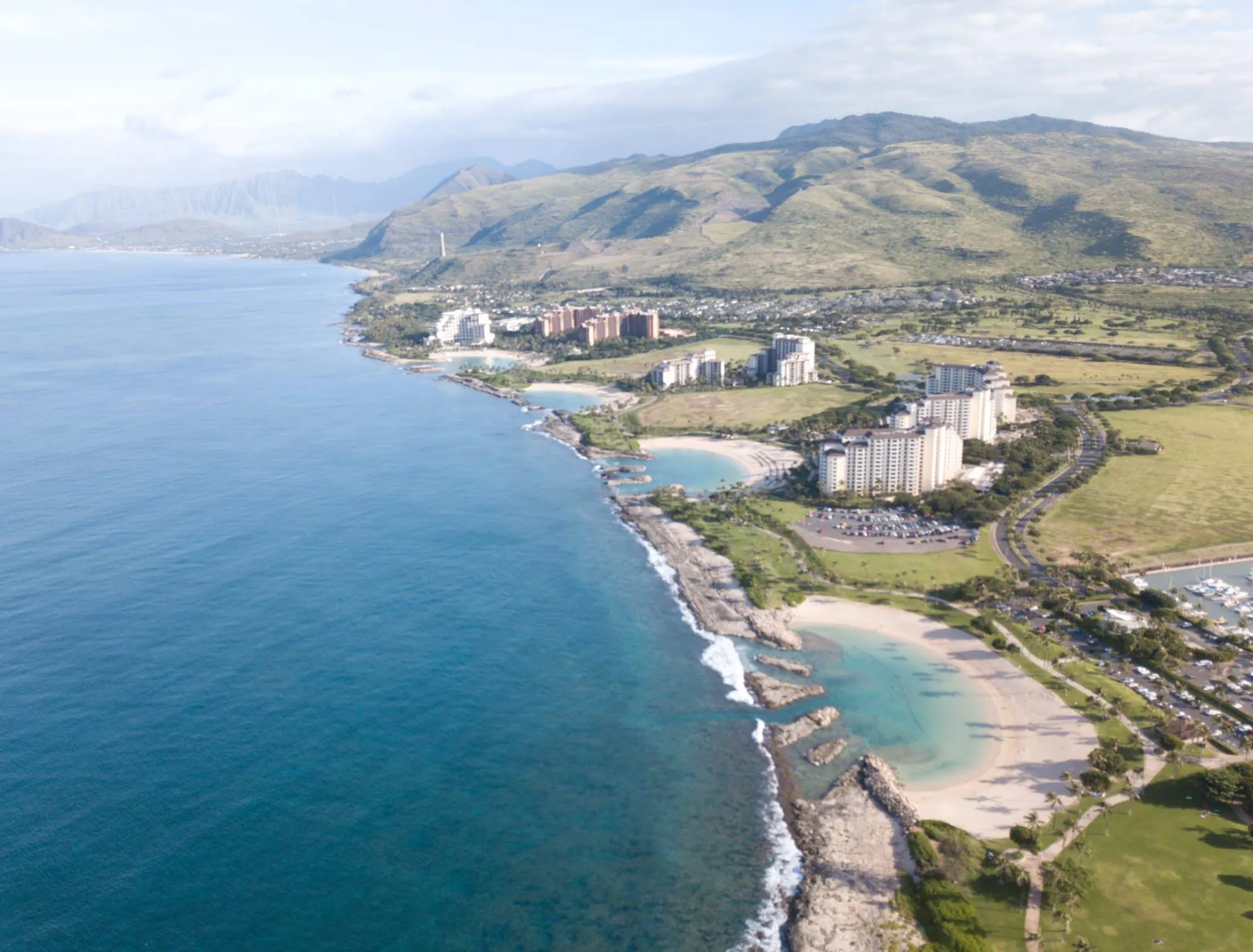
Ko Olina’s lagoons are a useful option when your family needs protected water. They are not a wild beach experience, but for toddlers, new swimmers, or grandparents, that can be the point.
Arrive early for public parking and keep expectations realistic. This is a slower beach day, not a sightseeing sprint.
13. Slow Down at Byodo-In Temple
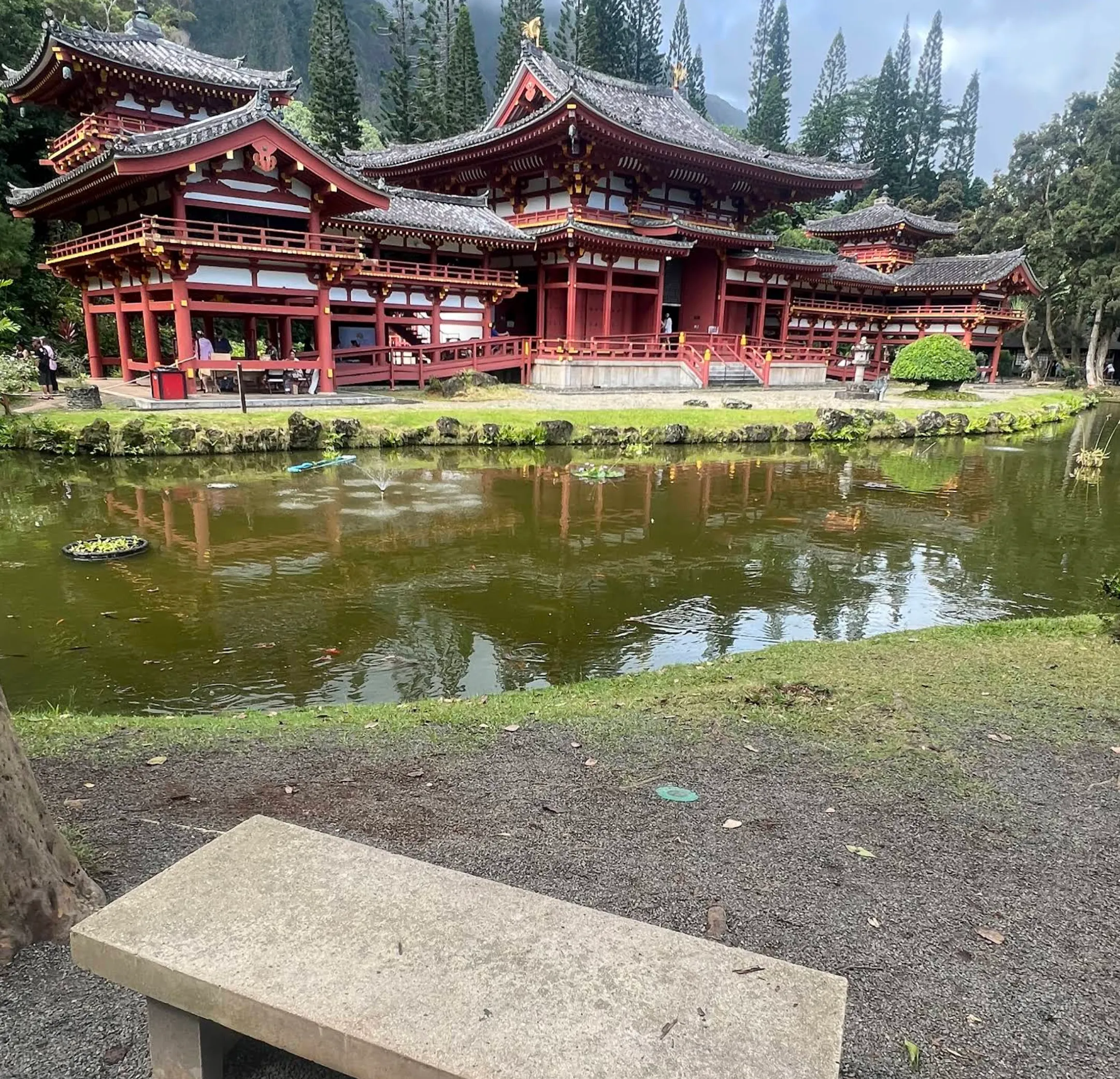
Byodo-In Temple, in the Valley of the Temples, gives families a quiet cultural pause on the windward side. Kids can ring the peace bell, watch koi, and take in the mountain setting without needing a long lecture.
It works best as part of a windward day, not as a separate drive from Waikiki just for one stop. Pair it with Pali Lookout, Kailua, or Kualoa Ranch depending on your route.
14. Make Kualoa Ranch a Full-Day Choice
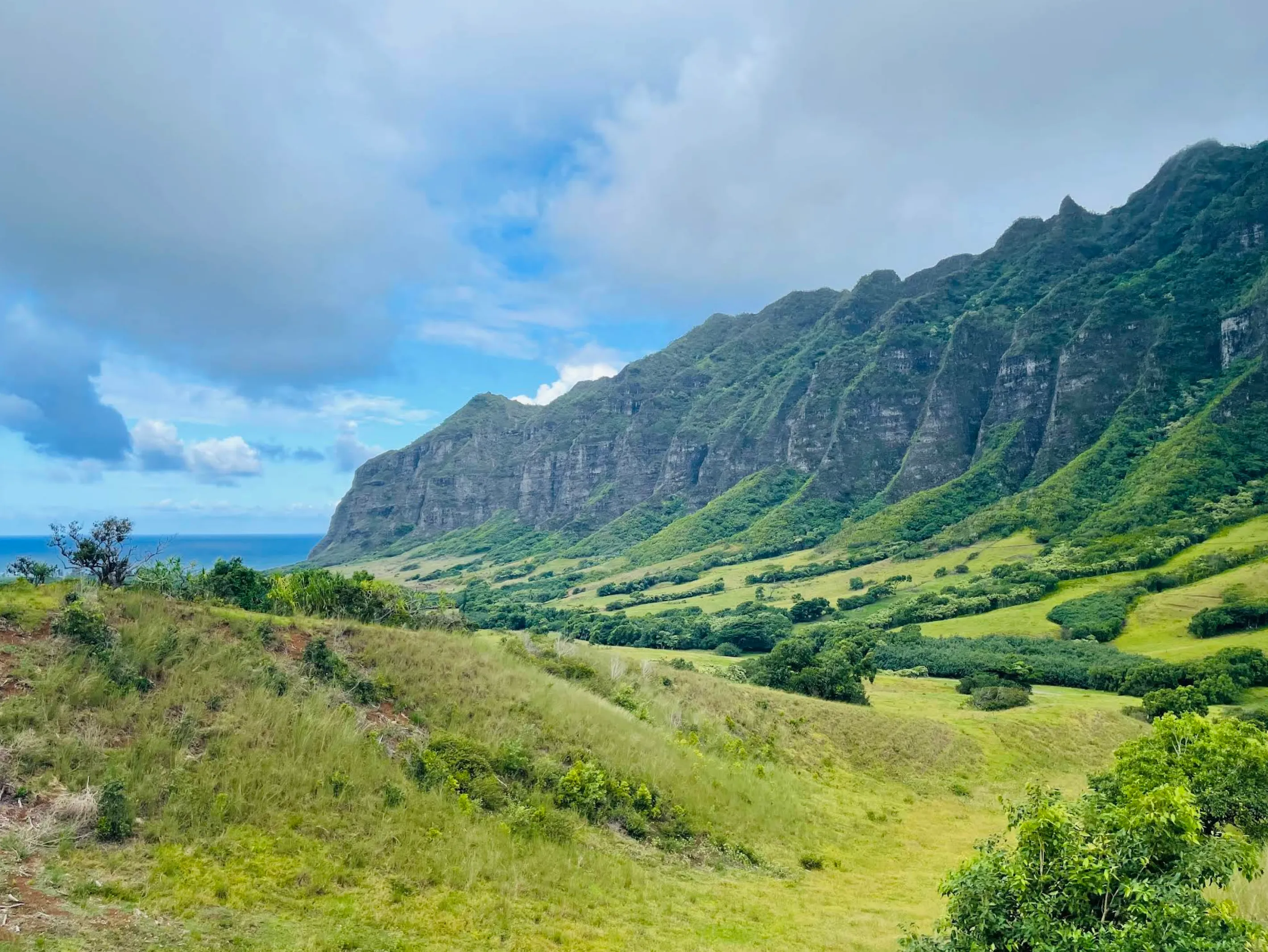
Kualoa Ranch is one of the easiest ways to give families the dramatic green-valley scenery they associate with Oahu. Movie-site tours, beach time, gentle adventure options, and cultural/farm experiences can all work depending on age and budget.
The key is not treating it as a quick stop. Book ahead, choose one main experience, and let it own that part of the day.
15. Take the North Shore Seriously
The North Shore is not just another beach day. In winter, waves can be enormous and better for watching than swimming. In summer, some areas can be calmer, but families still need to check conditions and listen to lifeguards.
Build the day around Haleiwa, Waimea Valley, a safe beach stop, and food. Do not promise kids snorkeling or swimming until you know what the ocean is doing that day.
Ocean note: The local phrase “when in doubt, do not go out” is good family policy. Hawaii’s beaches change quickly.
Practical Travel Tips for Families Visiting Honolulu
Best Time to Visit Honolulu With Kids
Spring and fall often feel easiest because crowds and prices can be softer than peak holiday periods. Winter is good for whale watching and North Shore surf viewing, but not always for swimming there. Summer can bring calmer North Shore water, longer days, and more family travel crowds.
Getting Around
You do not need a car for every day. Waikiki, downtown, Ala Moana, and some museum days can work with walking, rideshare, bus, or trolley-style transportation. Rent a car for windward drives, North Shore days, Ko Olina, or Kualoa Ranch.
Ocean Safety
Check conditions with lifeguards. Watch for box jellyfish timing on south-shore beaches, especially after full moons. Keep distance from turtles, monk seals, dolphins, and seabirds. Never stand on coral, and use mineral reef-safe sun protection.
Where to Eat With Kids
Keep food casual. Plate lunch, noodles, poke bowls, shave ice, malasadas, food halls, and beach takeout all work better than forcing every meal into a reservation. Waikiki and Ala Moana give you convenience; Kakaako gives you murals and relaxed evenings; Haleiwa works well on a North Shore loop.
What to Skip if Time Is Tight
Skip anything that forces you to cross the island twice in one day. Also skip unsafe or closed hikes, even if they look tempting online. Honolulu is much better when the family is rested enough to enjoy the ocean, not just race between viewpoints.
Sample Family Itineraries
1-Day “Classic Honolulu With Kids” Itinerary
Morning Hike early or stay beach-first
- Reserve Diamond Head and hike before the heat if your family is ready.
- Choose Waikiki Beach instead if it is your first day after travel.
Midday Keep lunch easy
- Use Waikiki, Kapahulu, or Ala Moana for casual food.
- Build in shade and a hotel reset if kids are fading.
Evening Slow down near the water
- Walk Kalakaua Avenue or the beachfront path.
- End with shave ice, malasadas, or an early dinner.
3-Day Family Trip to Honolulu
Day 1 Waikiki and Diamond Head
- Diamond Head in the morning.
- Waikiki beach time after lunch.
- Sunset walk and easy dinner nearby.
Day 2 History and culture
- Pearl Harbor National Memorial.
- Iolani Palace or Bishop Museum.
- Kakaako or Ala Moana for a low-pressure evening.
Day 3 Windward or southeast coast
- Hanauma Bay if you have reservations and conditions work.
- Makapuu Lighthouse Trail and Halona Blowhole for coastal views.
- Or choose Kailua, Pali Lookout, and Byodo-In Temple for a windward day.
5-7 Day Oahu Combo: Honolulu + Island Drives
Days 1-3 Honolulu base
- Follow the 3-day plan above.
- Add a museum or beach reset day if your family needs slower pacing.
Days 4-5 North Shore and windward side
- Use one day for Haleiwa, Waimea Valley, and safe beach watching.
- Use one day for Kualoa Ranch or a windward beach route.
Days 6-7 Calm-water or flexible days
- Choose Ko Olina for younger swimmers.
- Keep one day unscheduled for weather, ocean conditions, or a favorite repeat.
How to Make Honolulu Work With Kids
Honolulu is not a checklist city. The best family trip balances one or two ambitious days with plenty of beach time, casual food, and respect for the ocean. Reserve the places that require it, start early when hikes or parking matter, and let conditions change the plan.
That flexibility is not a compromise. It is how Honolulu becomes memorable instead of exhausting.